 Pass the Exam Easily with Detailed 3-Level Practice | 1-Day Full Access Free — Offer Ends in


K53 Motorcycle Theory Test 1
01/68
1.What does the Stop sign mean in South African roads?
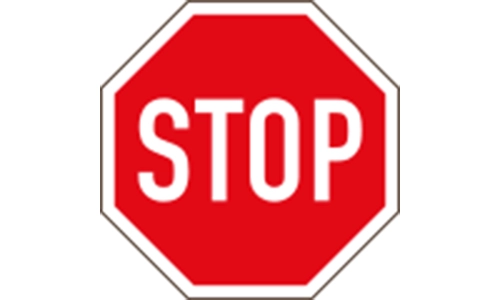
The Stop sign instructs drivers to make a complete stop at the marked line or intersection, ensuring the vehicle is motionless. Drivers should only proceed when its absolutely safe with clear visibility of traffic and surroundings.
01/68
Progress
K53 Motorcycle Theory Test 1
02/68
2.What does the blue circular sign with the number 50 indicate?
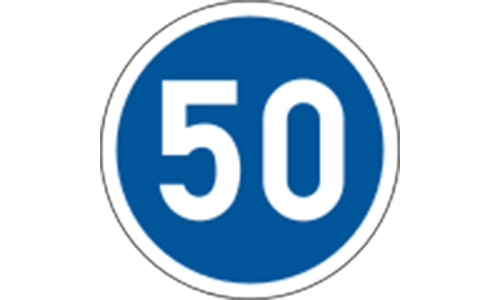
Blue circular signs are known as command signs, which indicate actions that drivers are legally required to follow. This particular sign displays a minimum speed limit of 50 km/h, meaning that all vehicles must travel at or above this speed while on this stretch of road. Driving slower than 50 km/h is not permitted, as it could disrupt traffic flow and pose a safety risk to other road users.Blue circular signs are known as command signs, which indicate actions that drivers are legally required to follow. This particular sign displays a minimum speed limit of 50 km/h, meaning that all vehicles must travel at or above this speed while on this stretch of road. Driving slower than 50 km/h is not permitted, as it could disrupt traffic flow and pose a safety risk to other road users.
02/68
Progress
K53 Motorcycle Theory Test 1
03/68
3.What does the road sign Speed limit of 5 km/h indicate in South Africa?
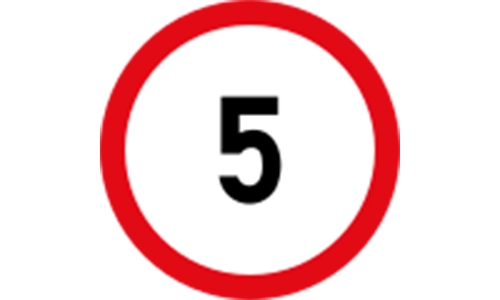
This sign strictly prohibits any vehicle from exceeding a speed of 5 kilometers per hour within the designated zone, which is commonly found in areas with heavy pedestrian traffic or loading and unloading zones. The very low speed limit is set to enhance safety for pedestrians, workers, and other vulnerable road users by minimizing the risk of accidents and allowing drivers more time to react to sudden movements or obstacles in these sensitive areas.
03/68
Progress
K53 Motorcycle Theory Test 1
04/68
4.Which vehicles are allowed to park in an area marked with a Reserved for buses sign?
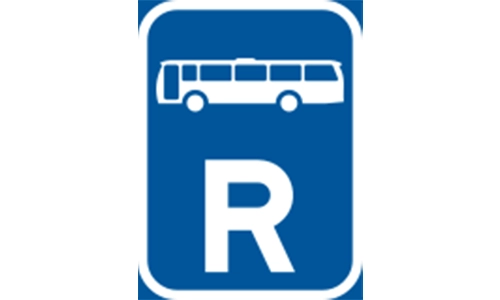
This sign indicates that the parking space or lane is reserved exclusively for buses. It is typically found near bus stops, terminals, or along designated bus lanes to ensure efficient public transport operations. Other vehicles are not allowed to stop, park, or drive in this area. The restriction helps reduce delays for buses and improves safety for passengers boarding or alighting.
04/68
Progress
K53 Motorcycle Theory Test 1
05/68
5.What is the designated use of a parking bay marked specifically with a long vehicle symbol, such as a bus?
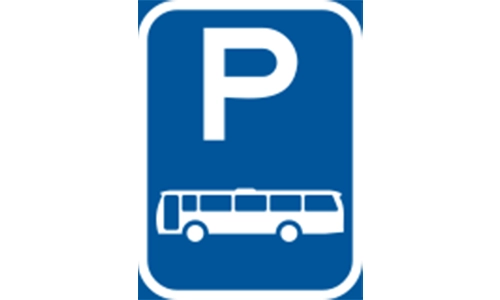
This sign indicates that parking in the designated area is reserved exclusively for buses. Other vehicles, including cars and motorcycles, are not allowed to park here. The restriction ensures that buses have sufficient space for safe boarding and alighting of passengers. By keeping the area clear, it helps maintain smooth traffic flow and supports efficient public transportation operations.
05/68
Progress
K53 Motorcycle Theory Test 1
06/68
6.What should a driver understand when approaching a sign indicating the beginning of a dual-carriageway freeway?
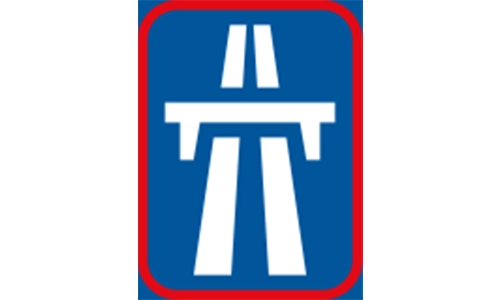
This sign indicates the start of a dual-carriageway freeway, where traffic in each direction is separated by a median, designed for fast, uninterrupted travel without intersections or pedestrian access.
06/68
Progress
K53 Motorcycle Theory Test 1
07/68
7.What does a sign indicating specific hours, such as 04:00u201309:00, mean for drivers?
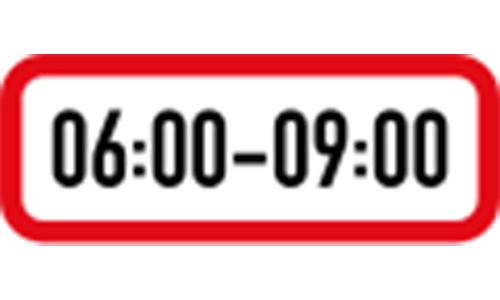
This sign shows that the rule applies only during the hours shown. Once those hours are over, you’re free to go ahead as usual. It helps avoid traffic build-up during peak times and makes things smoother when roads are less busy.
07/68
Progress
K53 Motorcycle Theory Test 1
08/68
8.While driving on a freeway, you see a blue circular sign with a speed symbol crossed out. What should you understand from this sign?
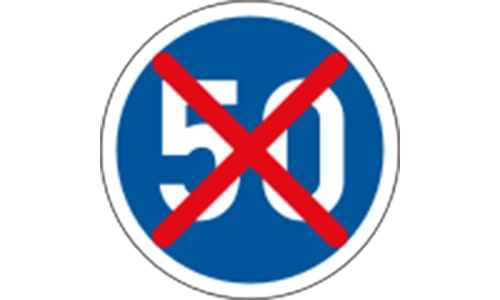
This sign informs drivers that the previously enforced minimum speed limit is no longer in effect. It marks the end of a zone where vehicles were required to maintain a minimum speed for safety or traffic flow reasons. After passing this sign, drivers may travel at any safe speed below the maximum limit, depending on road and traffic conditions. It is important for drivers to adjust their speed responsibly based on the environment.
08/68
Progress
K53 Motorcycle Theory Test 1
09/68
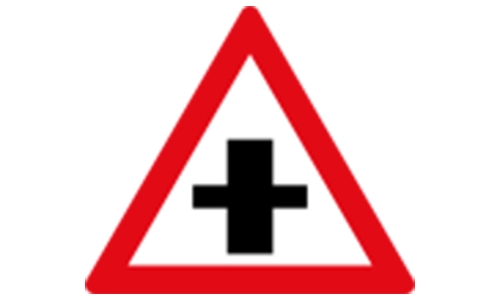
9.While driving on a rural road, you see a warning sign showing two roads crossing ahead. What does this sign indicate?
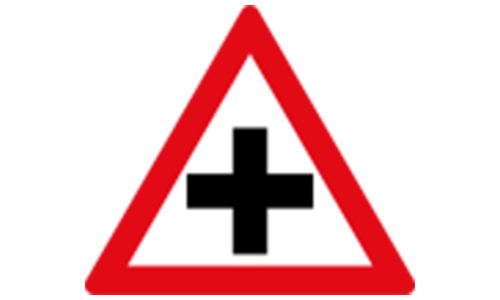
Crossroad Ahead-Equal Priority means youre coming up to a crossroad where cars can enter from your left and right. Slow down and stay alert for traffic crossing or joining your path. Be ready to yield if you need to.
09/68
Progress
K53 Motorcycle Theory Test 1
010/68
10.What does the “T” shaped dead end sign warn the driver of?
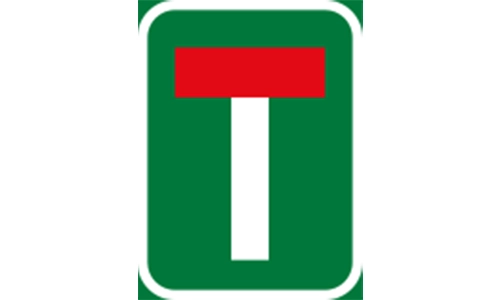
The “T” shape on this road sign indicates a dead-end or no-through road, meaning the road comes to an abrupt stop and does not continue beyond the point shown. Drivers should be aware that they will need to turn around or take an alternate route, as there is no outlet or connecting road ahead. This sign helps prevent drivers from unknowingly entering roads that do not lead to other destinations.
010/68
Progress
K53 Motorcycle Theory Test 1
011/68
11.While driving on a national highway in clear daylight, you see a speed sign displaying “120” with a sun symbol. What should you understand about the legal speed limit in this scenario?
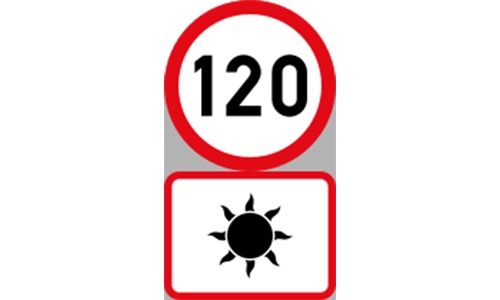
Daytime Speed Limit (120 km/h) means the speed limit is 120 km/h, but only during the daytime. A different, usually lower, speed limit applies at night. You need to adjust your speed based on visibility, road conditions, and the time of day to stay safe and follow rules. Look for other signs that show nighttime limits.
011/68
Progress
K53 Motorcycle Theory Test 1
012/68
12.You approach a solid white line at an intersection with no visible stop sign. What is your correct action?
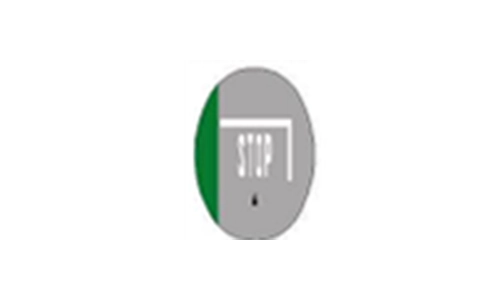
A stop line indicates that a vehicle must come to a complete stop, regardless of whether a stop sign is present. It serves as a mandatory control line to ensure drivers pause before entering intersections or pedestrian areas. This helps improve visibility, reduce collisions, and protect cross traffic and pedestrians.
012/68
Progress
K53 Motorcycle Theory Test 1
013/68
13.You’re driving and see a railway crossing warning sign ahead. What is the correct response?
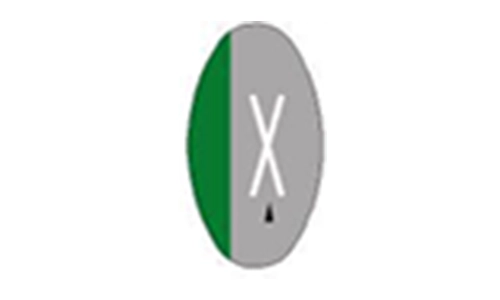
The railway crossing warning sign alerts drivers that tracks lie ahead. You must reduce your speed and be ready to stop, especially if a train or signals are present. This ensures safety at a potentially dangerous crossing.
013/68
Progress
K53 Motorcycle Theory Test 1
014/68
14.While driving on a multi-lane road with broken white lines, what should you do?
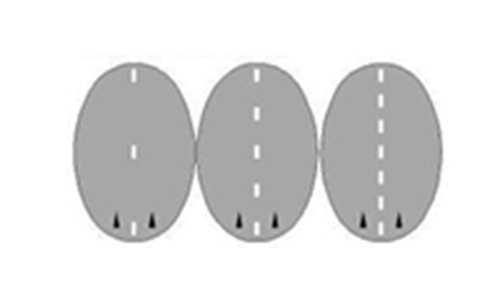
Lane lines guide vehicles within lanes moving in the same direction. Staying centered helps maintain order, avoids sideswipes, and ensures smoother traffic flow.
014/68
Progress
K53 Motorcycle Theory Test 1
015/68
15.What does the traffic officers signal with one arm raised upward and palm facing forward (Image SS1-a) mean?
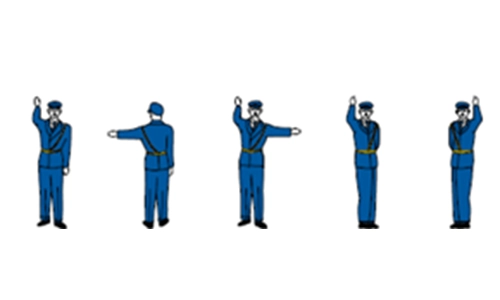
This signal tells vehicles coming from the front to stop. The raised arm and open palm act as a visual stop command. Its used during manual traffic control. Officers take control when lights are not working.
015/68
Progress
K53 Motorcycle Theory Test 1
016/68
16.What must a driver do when approaching a roundabout?
Vehicles already circulating in a roundabout have right of way. Entry traffic must yield. Right-side priority applies. Wait until the path is clear before entering.
016/68
Progress
K53 Motorcycle Theory Test 1
017/68
17.What is the general speed limit in an urban area unless otherwise indicated?
Speed limit in urban areas is 60 km/h unless signage says otherwise. It ensures safety in densely populated regions. This limit is for motor vehicles on public roads within urban limits. Exceeding this is an offence.
017/68
Progress
K53 Motorcycle Theory Test 1
018/68
18.What is the primary rule for driving on a public road in terms of lane usage?
The Rules of the Road manual states that you must drive on the left side of the road. This basic rule keeps traffic flowing smoothly and is vital for safety, particularly in countries where traffic drives on the left. Following this helps prevent head-on crashes and creates a predictable driving environment for everyone.
018/68
Progress
K53 Motorcycle Theory Test 1
019/68
19.Where is parking strictly prohibited near a fire hydrant?
Parking within 1.5 metres of a fire hydrant on either side is prohibited. Access to hydrants must remain clear for emergency services. Obstructing them is an offence.
019/68
Progress
K53 Motorcycle Theory Test 1
020/68
20.When is it legal to use your vehicles horn?
The hooter may only be used when safety requires it. Using it to greet, signal irritation or for fun is prohibited by law.
020/68
Progress
K53 Motorcycle Theory Test 1
021/68
21.What is prohibited while driving regarding mobile phones according to South African road rules?
Holding a mobile phone while driving is explicitly prohibited, regardless of which hand. This impairs safe control of the vehicle.
021/68
Progress
K53 Motorcycle Theory Test 1
022/68
22.What is the correct action when driving in a school zone?
Drivers must reduce speed in school zones. Children may cross unexpectedly. Obeying signs and guards ensures safety. Stay extra alert for pedestrians.
022/68
Progress
K53 Motorcycle Theory Test 1
023/68
23.How must a driver overtake a cyclist on a public road?
Drivers must maintain a safe overtaking gap from cyclists. Cyclists may swerve to avoid obstacles. Close passing is dangerous and illegal. Overtake only if safe and clear.
023/68
Progress
K53 Motorcycle Theory Test 1
024/68
24.When must a driver obey a traffic officers instruction?
Traffic officers have the highest authority on the road. Their instructions override signs and signals. Obeying ensures order and legal compliance. Disobeying is a punishable offense.
024/68
Progress
K53 Motorcycle Theory Test 1
025/68
25.When must adults wear seatbelts in a motor vehicle?
Seatbelt use is compulsory for adults in moving vehicles. It applies to both front and rear seats. Non-compliance is a traffic offense. Seatbelts reduce injury risk.
025/68
Progress
K53 Motorcycle Theory Test 1
026/68
26.What is the maximum legal BAC (Blood Alcohol Concentration) for ordinary drivers?
The legal limit for ordinary drivers is 0.05g of alcohol per 100ml of blood. Exceeding this impairs driving ability. It is a criminal offense with penalties.
026/68
Progress
K53 Motorcycle Theory Test 1
027/68
27.What is the minimum following distance for light motor vehicles?
The rules state a minimum 2-second gap is required under normal conditions. This helps maintain safe stopping distance.
027/68
Progress
K53 Motorcycle Theory Test 1
028/68
28.What should a driver do at a stop sign according to road rules?
The driver must come to a full stop at a stop sign to ensure safety and obey traffic laws.
028/68
Progress
K53 Motorcycle Theory Test 1
029/68
29.What should a driver do in adverse conditions?
This is the correct action to take in adverse conditions to ensure safety. It reduces the chance of accidents. High beams in fog can reflect light and reduce visibility. Driving normally may be dangerous.
029/68
Progress
K53 Motorcycle Theory Test 1
030/68
30.What should you do if your brakes fail while driving?
In case of brake failure, downshifting helps slow the vehicle. Use the handbrake gently to avoid skidding. Stay calm and alert. Signal or warn others if possible.
030/68
Progress
K53 Motorcycle Theory Test 1
031/68
31.Why is staying calm important while driving?
Calmness helps drivers avoid overreacting, handle delays with patience, and prevent risky maneuvers.
031/68
Progress
K53 Motorcycle Theory Test 1
032/68
32.What is a key purpose of hazard perception?
Hazard perception means recognizing potential threats in time to slow down or avoid them safely.
032/68
Progress
K53 Motorcycle Theory Test 1
033/68
33.If your vehicle breaks down on a public road, where should the emergency warning triangle be placed?
Emergency triangles must be placed at least 45 metres behind the vehicle on the same side of the road. This alerts approaching drivers early and allows them time to adjust safely.
033/68
Progress
K53 Motorcycle Theory Test 1
034/68
34.What helps save fuel while driving?
Smooth acceleration and less braking use less fuel and are safer. It also reduces wear and tear on your engine and brakes, leading to lower maintenance costs. Plus, it makes for a more comfortable ride for everyone in the vehicle.
034/68
Progress
K53 Motorcycle Theory Test 1
035/68
35.What helps drivers stay alert to upcoming road changes?
Reading the road ahead prepares drivers to adjust for curves, lanes, or exits safely. This proactive approach reduces the need for sudden braking or steering, making your driving smoother. It also improves your reaction time to unexpected hazards and helps you anticipate traffic flow, contributing to a more relaxed and confident driving experience.
035/68
Progress
K53 Motorcycle Theory Test 1
036/68
36.What does the Stop. Two stop sign indicate?
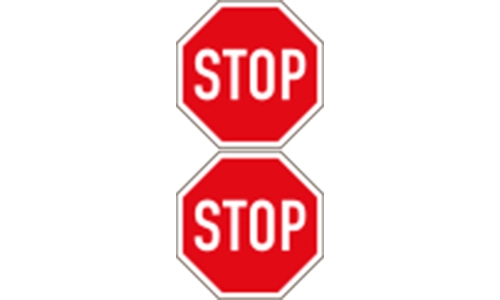
The Stop. Two stop sign indicates drivers must make two complete stops at separate, marked points along the route. They should halt at the first, proceed to the second, halt again, and then continue safely with their journey.
036/68
Progress
K53 Motorcycle Theory Test 1
037/68
37.What does the road sign Vehicles exceeding 10 tonnes GVM only indicate in South Africa?
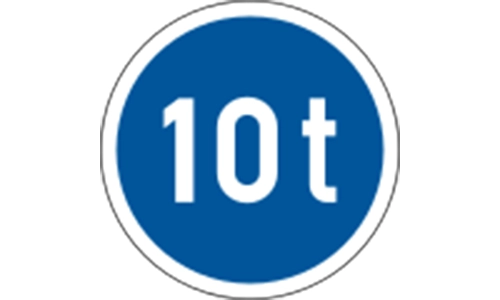
This sign indicates a restriction that allows access only to vehicles with a Gross Vehicle Mass (GVM) greater than 10 tonnes. It means that only heavy vehicles exceeding this weight limit are permitted to enter or use the road, while lighter vehicles below the specified GVM are not allowed in the restricted area.
037/68
Progress
K53 Motorcycle Theory Test 1
038/68
38.What does the road sign Speed limit of 10 km/h indicate in South Africa?
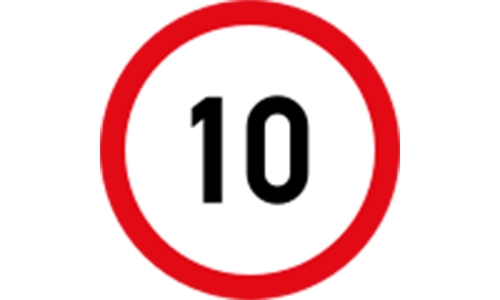
This sign enforces a maximum speed limit of 10 kilometers per hour within the designated area, typically implemented in zones where slow vehicle movement is essential for safety, such as warehouse yards, loading docks, or industrial complexes. The reduced speed limit helps to prevent accidents by giving drivers sufficient time to react to pedestrians, equipment, and other vehicles operating in close proximity, thereby maintaining a safe working environment for everyone present.
038/68
Progress
K53 Motorcycle Theory Test 1
039/68
39.What does a ‘Reserved lane for buses’ sign indicate on a public road?
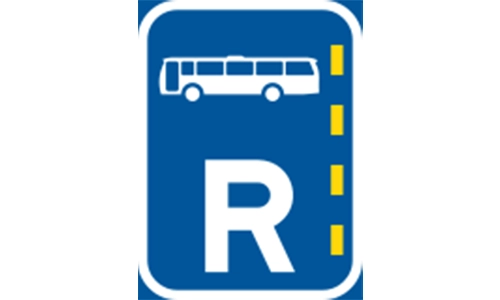
This sign designates the lane as reserved exclusively for buses. It is intended to prioritize public transportation, allowing buses to travel more efficiently and avoid congestion. Other vehicles are not permitted to use this lane, helping to improve traffic flow and reduce delays for bus passengers. Drivers of private or commercial vehicles must stay out of the reserved bus lane to comply with traffic regulations.
039/68
Progress
K53 Motorcycle Theory Test 1
040/68
40.When approaching a parking sign marked with a bicycle symbol, what vehicles are permitted to park?
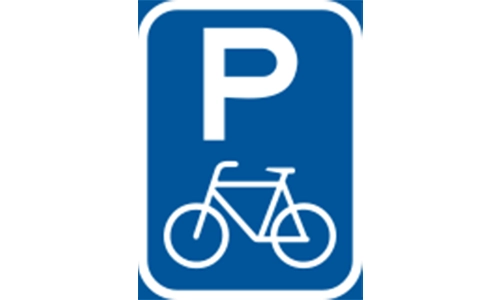
The sign indicates that only bicycles are permitted to be parked in the designated area. Other types of vehicles, such as motorcycles or cars, are not allowed to park there. This restriction helps provide a safe and convenient space specifically for cyclists. By reserving the area, it encourages bicycle use and supports environmentally friendly transportation options.
040/68
Progress
K53 Motorcycle Theory Test 1
041/68
41.Upon seeing a sign for a single-carriageway freeway, what should drivers anticipate ahead?
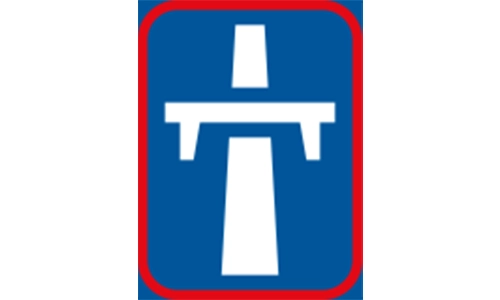
The sign indicates the start of a single-carriageway freeway, typically a high-speed route without a median, where vehicles travel in both directions, requiring caution during overtaking.
041/68
Progress
K53 Motorcycle Theory Test 1
042/68
42.A driver sees a road sign marked with 07:00u201309:00 and 16:00u201318:00. What should they understand?
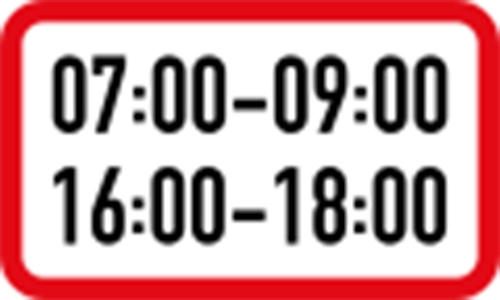
The restriction is active only during the specific morning and afternoon times listed. Outside those times, the road or parking space is open. It’s a smart way to handle rush hour and give more flexibility during quiet hours.
042/68
Progress
K53 Motorcycle Theory Test 1
043/68
43.After passing a toll gate, you notice a blue sign with a toll booth icon crossed out. What does it signify?
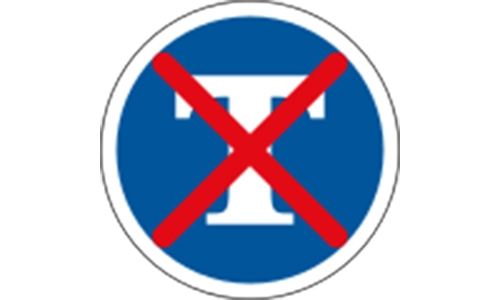
This sign indicates that the toll route has officially ended, and no further toll charges will apply beyond this point. Drivers are no longer required to pay toll fees for road usage after passing this sign. It marks the conclusion of a tolled section of the road or highway, allowing unrestricted travel ahead. Motorists should remain alert for any upcoming signage indicating changes in road conditions or regulations.
043/68
Progress
K53 Motorcycle Theory Test 1
044/68
44.You approach an intersection with a sign showing a thick vertical line intersected by a thin horizontal line with a priority bar. What should you infer?
Crossroad Ahead-Main Road Priority tells you theres a crossroad ahead, but you have the right-of-way on the main road. Still, be cautious of cars trying to merge or cross.
044/68
Progress
K53 Motorcycle Theory Test 1
045/68
45.What is the indication of the “H” shaped double-dead-end sign?
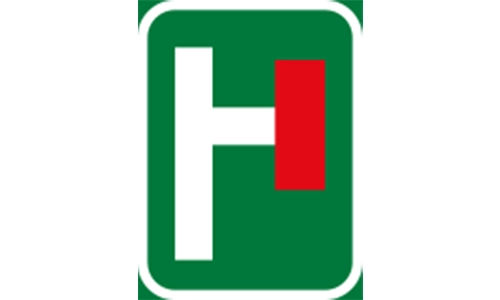
This sign indicates that the road ends ahead with no exit available in either the left or right direction, effectively forming a double dead-end. Drivers entering this road will not be able to continue past a certain point and must turn back the way they came. It is typically placed in cul-de-sacs or enclosed areas to warn motorists in advance and prevent unnecessary entry.
045/68
Progress
K53 Motorcycle Theory Test 1
046/68
46.You are driving on a rural road after sunset and see a speed sign showing “100” with stars and a moon. What is the legal speed limit in this nighttime condition?
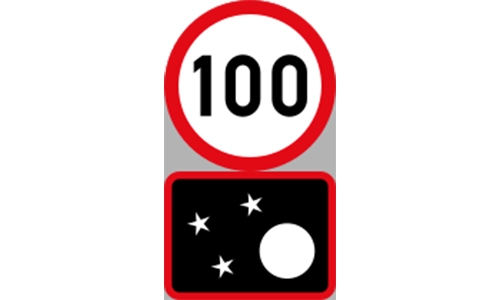
Nighttime Speed Limit (100 km/h), the moon-and-stars symbol on this sign means 100 km/h is the maximum speed limit only during nighttime hours. You must reduce your speed after dark because visibility is lower and driving conditions can be riskier. Ignoring this limit could result in fines or a higher chance of accidents. Always drive with extra caution at night.
046/68
Progress
K53 Motorcycle Theory Test 1
047/68
47.At an intersection marked with a yield line but no sign, another vehicle approaches from the right. What should you do?
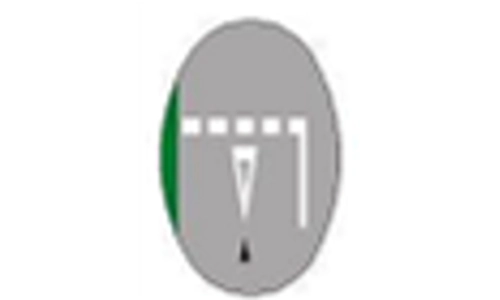
A yield line painted on the road indicates that you must give right of way to other traffic, even if there is no accompanying yield sign. Failing to yield at this line can cause side-impact collisions and violates road rules. Yielding ensures a smoother and safer traffic flow at intersections.
047/68
Progress
K53 Motorcycle Theory Test 1
048/68
48.You notice a lane marking that ends in a solid line while approaching an off-ramp. What should you do?
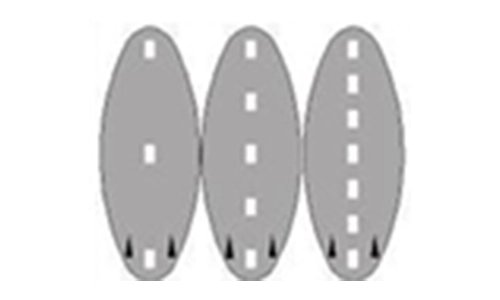
Continuity lines indicate a lane ending or changing direction. Drivers must yield to others merging into their lane and check their blind spots to avoid collisions during the transition.
048/68
Progress
K53 Motorcycle Theory Test 1
049/68
49.Youre at a large intersection with multiple paths and green markings. What do these markings mean?
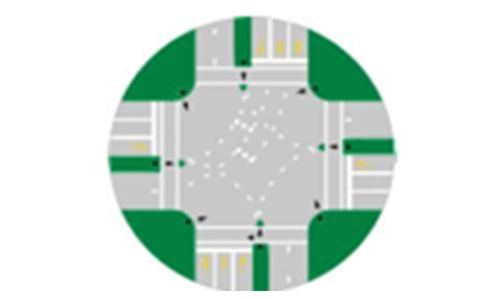
Guide lines at intersections direct drivers safely through complex layouts. They help prevent turning errors and conflicts between vehicles moving in different directions.
049/68
Progress
K53 Motorcycle Theory Test 1
050/68
50.What does the signal shown in Image SS2 (red flag held up while pointing left) indicate?
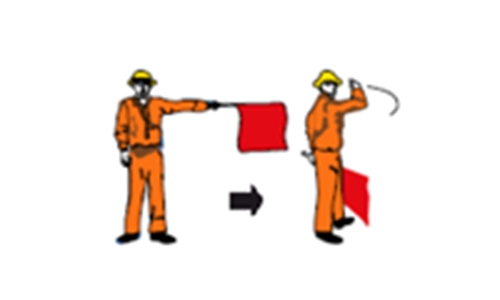
This flag signal directs the driver to stop. It is typically used in construction zones or animal crossings. The driver must wait until a proceed signal is shown. Safety and caution are the priority here.
050/68
Progress
K53 Motorcycle Theory Test 1
051/68
51.Who has right of way at a T-junction?
The vehicle on the continuous road has priority. The driver from the terminating road must yield. T-junctions prioritize traffic on the main route. Always check both directions.
051/68
Progress
K53 Motorcycle Theory Test 1
052/68
52.What speed limit applies to freeways unless otherwise posted?
Freeways are designed for higher speed transit. The default limit is 120 km/h unless road signs state a different limit. Drivers must always adjust based on conditions. Violations are legally punishable.
052/68
Progress
K53 Motorcycle Theory Test 1
053/68
53.When is it permissible to encroach on the right half of the roadway while driving on the left side?
Permissible Right-Side Encroachment, although the main rule is to drive on the left, you are allowed to go onto the right side of the road in certain situations. You can do this as long as it doesnt block or endanger other traffic. This lets you make necessary moves, like going around obstacles, without putting anyone elses safety at risk.
053/68
Progress
K53 Motorcycle Theory Test 1
054/68
54.Which of the following is not a legal reason to park on a public road?
Parking is allowed only if directed by authorities, signage, or due to uncontrollable reasons. Personal convenience is not a lawful excuse.
054/68
Progress
K53 Motorcycle Theory Test 1
055/68
55.Private vehicles may not use hooters that:
Private vehicles are not allowed to use sirens or warning devices that play a tune. Only authorised vehicles may use such sound systems.
055/68
Progress
K53 Motorcycle Theory Test 1
056/68
56.Which action is illegal while operating a vehicle?
The regulation prohibits holding a mobile device in any manner - by hand, shoulder, or other body part - while driving.
056/68
Progress
K53 Motorcycle Theory Test 1
057/68
57.What must a driver do near a stopped school bus?
Vehicles must stop near a stationary school bus. Children may board or exit suddenly. Waiting ensures pedestrian safety. It is a legal and safety requirement.
057/68
Progress
K53 Motorcycle Theory Test 1
058/68
58.What must you do when approaching a pedestrian crossing?
Pedestrians have the right of way at crossings. Drivers must approach slowly and yield. Crossing before them is unsafe and illegal. Vigilance is essential in these zones.
058/68
Progress
K53 Motorcycle Theory Test 1
059/68
59.What happens if you run a red traffic light?
Running a red light is a serious violation. It may lead to fines, demerit points, or license suspension. Such behaviour endangers all road users.
059/68
Progress
K53 Motorcycle Theory Test 1
060/68
60.At what age is a person legally considered a child for seatbelt laws?
A child is defined as 3u201314 years old, unless they are taller than 1.5 meters. Taller children are treated as adults. This affects seatbelt and restraint rules.
060/68
Progress
K53 Motorcycle Theory Test 1
061/68
61.What BAC limit applies to professional drivers?
Professional drivers are held to a stricter BAC limit of 0.02g/100ml. This ensures higher safety due to their responsibility for passengers.
061/68
Progress
K53 Motorcycle Theory Test 1
062/68
62.What must you do before changing lanes?
Lane changing requires mirror checks, blind spot awareness, and signaling in advance without endangering others.
062/68
Progress
K53 Motorcycle Theory Test 1
063/68
63.Why must you obey all posted road signs and signals?
Ignoring signs and signals can cause confusion and accidents, making the road unsafe.
063/68
Progress
K53 Motorcycle Theory Test 1
064/68
64.What should a driver do in adverse conditions?
This is the correct action to take in adverse conditions to ensure safety. It reduces the chance of accidents. High beams in fog can reflect light and reduce visibility. Driving normally may be dangerous.
064/68
Progress
K53 Motorcycle Theory Test 1
065/68
65.How should you react to a tire blowout while driving?
Hold the wheel tightly to stay in control. Ease off the accelerator slowly. Avoid braking suddenly. Safely steer to the roadside.
065/68
Progress
K53 Motorcycle Theory Test 1
066/68
66.What is a common sign of driving fatigue?
Fatigue shows through yawning, blinking, and poor concentration. These increase the risk of crashes.
066/68
Progress
K53 Motorcycle Theory Test 1
067/68
67.What should you observe when approaching a pedestrian near a crossing?
Pedestrian posture, direction of gaze, and movement suggest if they intend to cross or hesitate.
067/68
Progress
K53 Motorcycle Theory Test 1
068/68
68.How many emergency warning triangles must be carried by a heavy goods vehicle?
Heavy vehicles, buses, and minibuses must carry at least one warning triangle. It must be used whenever the vehicle is stopped on a roadway, especially in emergencies.
068/68
Progress
- 1
- 2
- 3
- 4
- 5
- 6
- 7
- 8
- 9
- 10
- 11
- 12
- 13
- 14
- 15
- 16
- 17
- 18
- 19
- 20
- 21
- 22
- 23
- 24
- 25
- 26
- 27
- 28
- 29
- 30
- 31
- 32
- 33
- 34
- 35
- 36
- 37
- 38
- 39
- 40
- 41
- 42
- 43
- 44
- 45
- 46
- 47
- 48
- 49
- 50
- 51
- 52
- 53
- 54
- 55
- 56
- 57
- 58
- 59
- 60
- 61
- 62
- 63
- 64
- 65
- 66
- 67
- 68
0/68
Progress
0
Correct
0
Incorrect

Ace the DMV Exam on Your First Attempt
Unlimited mock tests
Access Over 1000 Exam Like Questions for Just $3
Ace the DMV Exam on
Your First Attempt